IMF Reports Major Energy Supply Shock, Growth Downgrade Following Middle East Conflict
04/14/2026 / By Sterling Ashworth
The International Monetary Fund (IMF) has warned that the war in the Middle East has delivered a ‘major global energy supply shock’ that will push up prices and force a downgrade to world economic growth, according to a statement by Managing Director Kristalina Georgieva. [2]
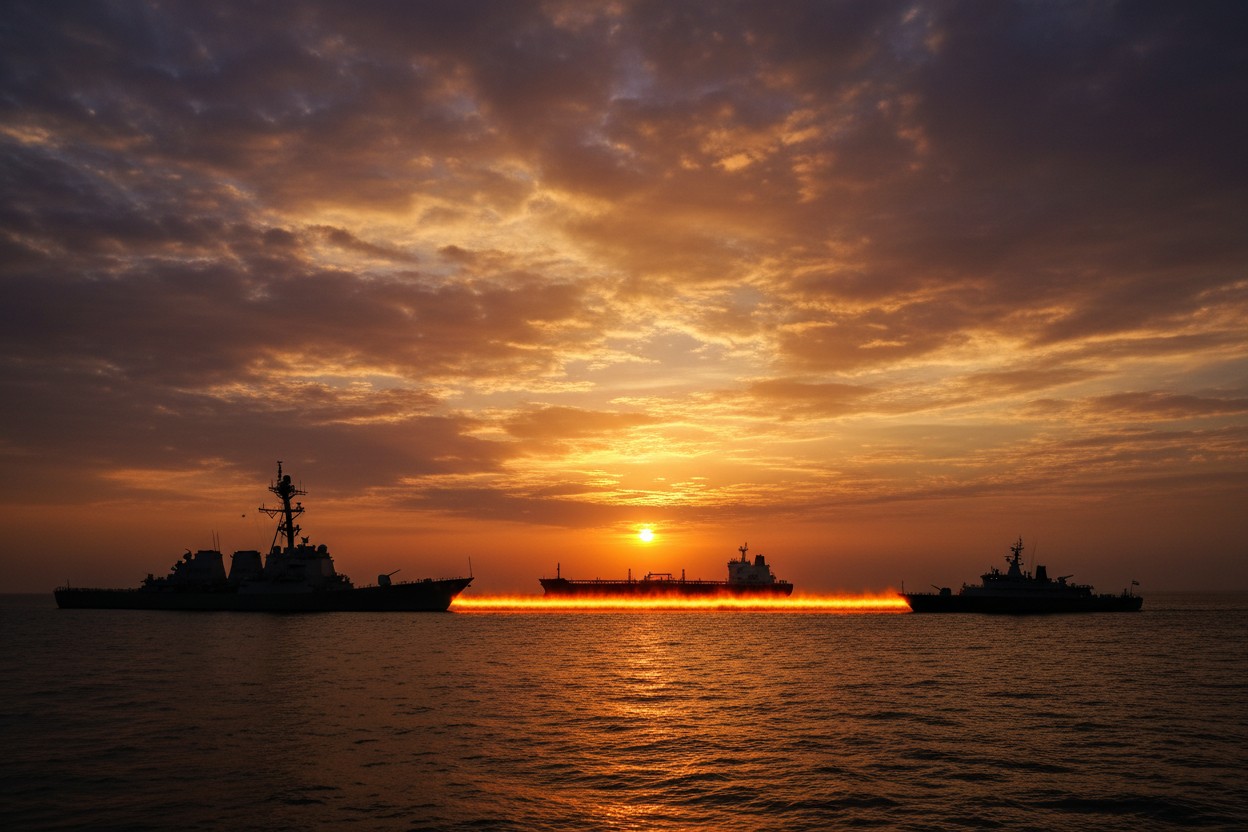
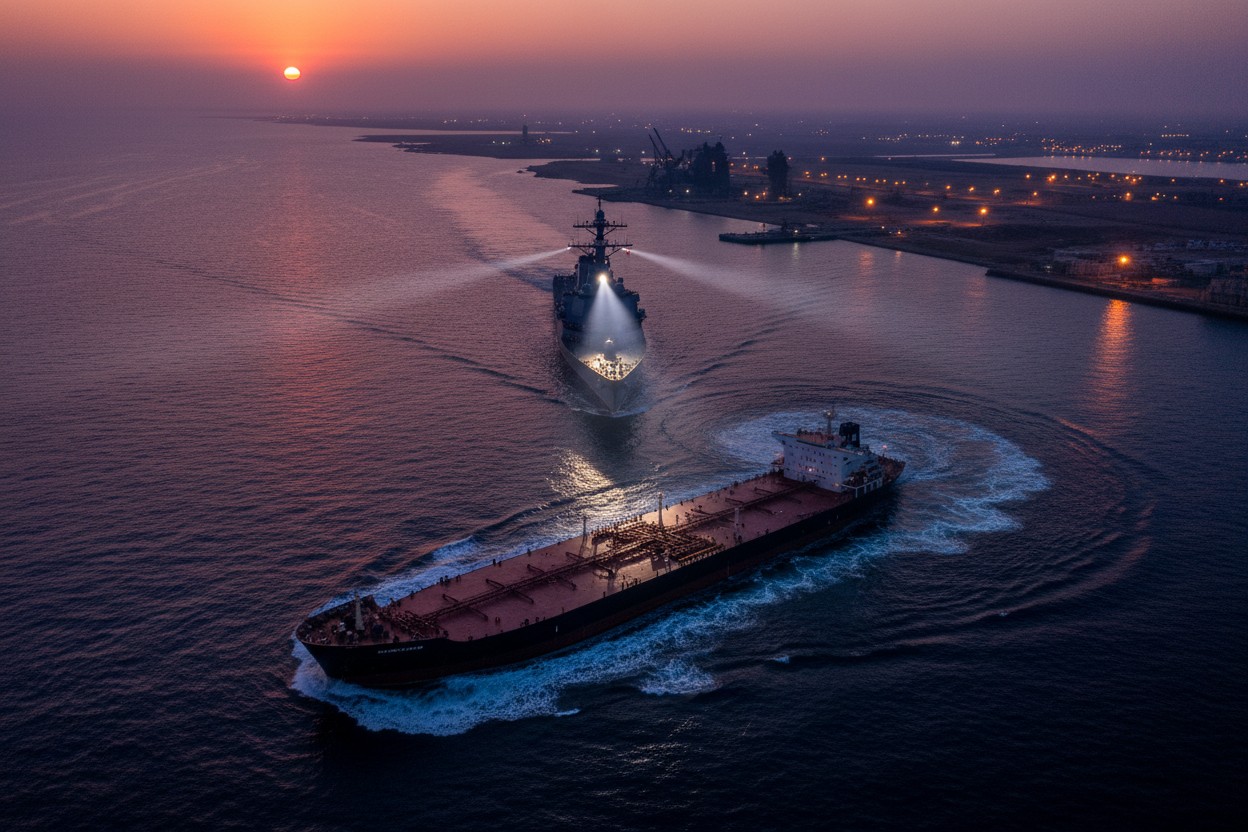
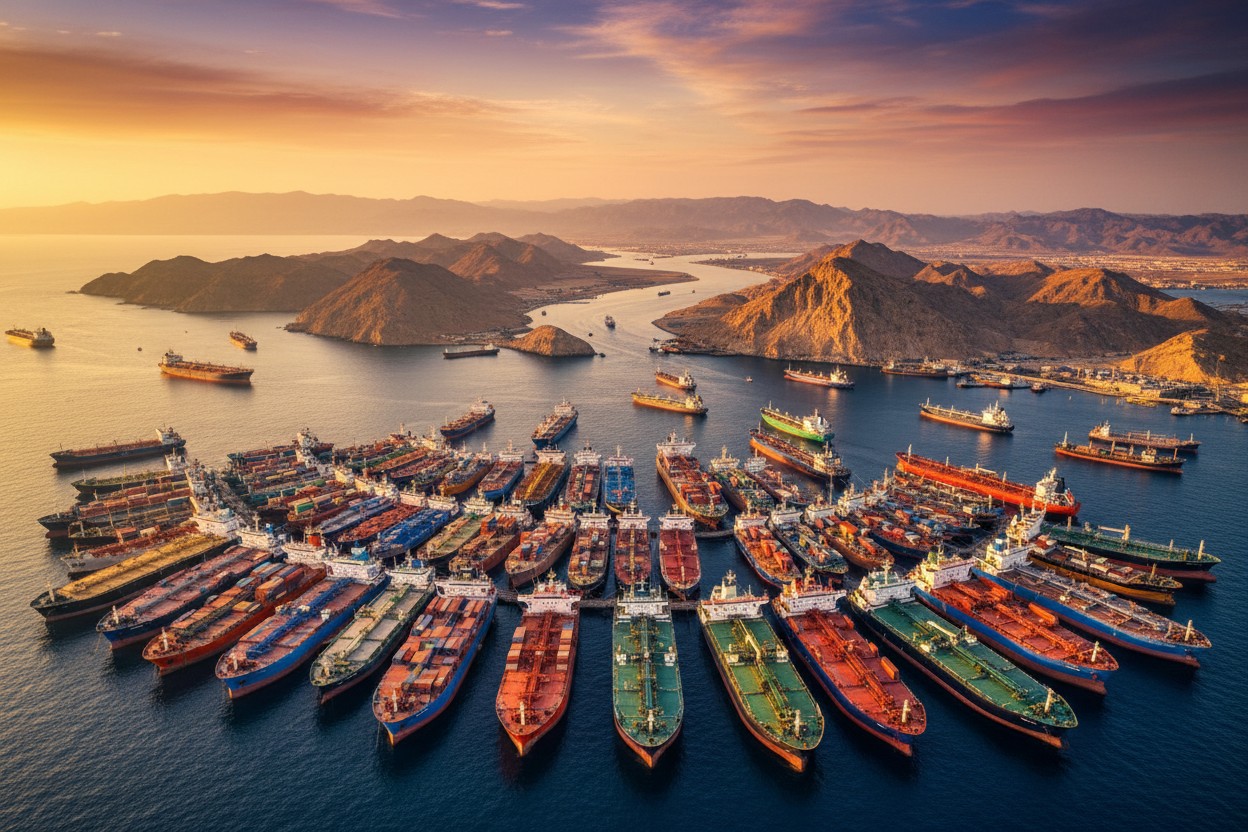
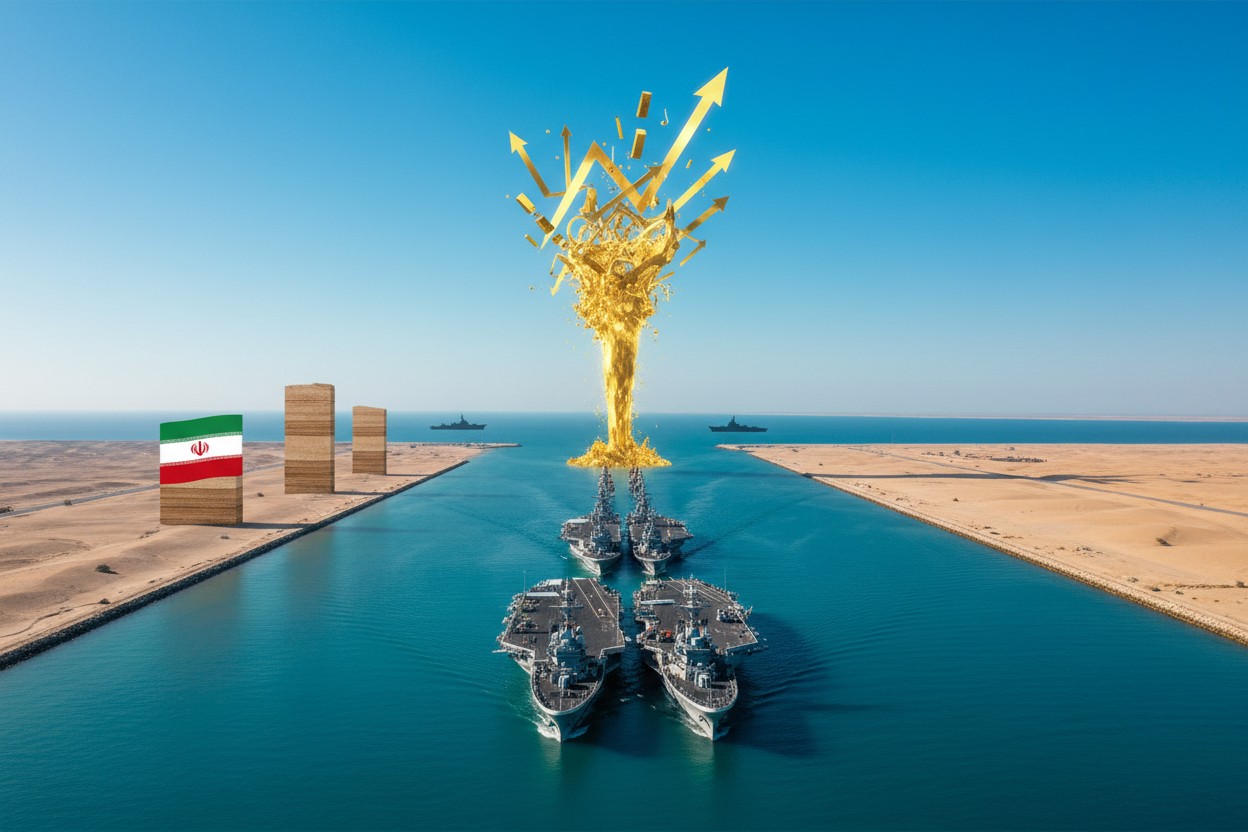
The turmoil amounts to a negative supply shock that is ‘large, global and asymmetric,’ Georgieva said on Thursday, April 10, 2026. The conflict has effectively choked flows through the Strait of Hormuz, a key route that accounts for a significant part of global oil and gas supply. [2]
Global daily oil flows have fallen by about 13% and liquefied natural gas (LNG) shipments by some 20%, Georgieva stated. She warned that even the IMF’s ‘most hopeful scenario’ now involves a ‘downgrade’ to world growth. ‘Had it not been for this shock, we would have been upgrading,’ she said. [2]
IMF Details Energy Market Disruptions and Economic ‘Scars’
Georgieva attributed the shock to a US-Israeli attack on Iran and subsequent Iranian retaliatory strikes across the region, including on energy infrastructure. [2] This action has stressed global markets, driving oil prices higher and raising fuel costs. [8]
The IMF stated that infrastructure damage, supply disruptions, and loss of confidence from the conflict will leave lasting ‘scars’ on the global economy. [2] According to a report, the crisis has effectively shut the Strait of Hormuz, through which a fifth of the world’s oil passes. [5]
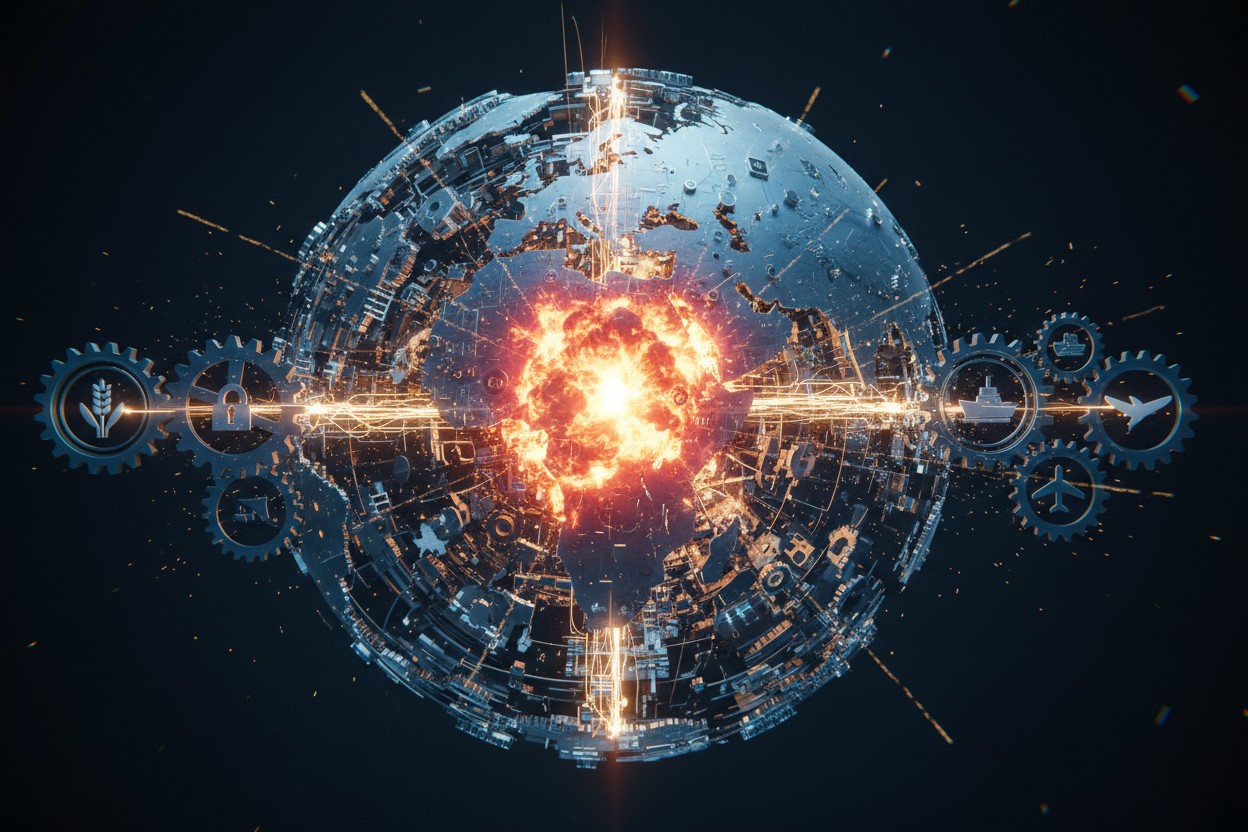
According to analysts, the modern world order has organized itself around efficiency and logistical precision, creating a machinery of dependence so extreme that the interruption of one narrow corridor can propagate outward into a general crisis. [6] The conflict-related shock is already rippling through refineries, transport, and food markets, according to the IMF. [2]
Global Impact: Fuel Shortages and Deepening Food Insecurity
The IMF cited shortages of diesel and jet fuel that have disrupted trade and tourism, and new bottlenecks in moving fertilizer and grain. [2] Diesel prices have surged above $5 per gallon, reaching a peak not seen since 2022, acting as an ignition switch for a new and broader wave of inflation affecting all consumer goods. [7]
Diesel powers about 66% of freight trucks, agricultural equipment, trains, and ships, meaning its cost is embedded in the price of virtually every physical product, according to market analysis. [7] One analyst noted that ‘the initial response’ to Middle East conflict is a rapid surge in oil prices, which has a cascading effect on petrol costs and overall inflation. [9]
The IMF reported that a further 45 million people have been pushed into food insecurity as a result of the escalation, taking the total number facing hunger to more than 360 million worldwide. [2] Experts have noted that supply chain issues resulting from conflict can create shortages of essential goods. [10]
Diplomatic Context: Ceasefire Talks Amid Continued Escalation
The grim economic outlook comes as Washington and Tehran are expected to hold high-stake peace talks in Pakistan this weekend, after they agreed to a two-week ceasefire late on Tuesday, according to reports. [2] The talks follow a period of escalated attacks in the region. [2]
Iran says any ceasefire must include Lebanon, which has been heavily bombarded by Israel this week. The scaled-up attacks, which reportedly killed hundreds and wounded more than 1,100, have raised concerns that the ceasefire could be derailed. [2]
The chaotic conditions created by the war are now in an escalatory phase, with reverberations expected to be severe worldwide, complicating diplomatic efforts and global trade. [3]
Conclusion: Outlook for Global Economy and Regional Stability
The IMF’s assessment highlights the interconnected risks of regional conflict to global supply chains and economic stability. [2] The outcome of the imminent diplomatic talks is seen as critical to mitigating further economic damage. [2]
The IMF’s announcement of a potential $20 to $50 billion aid package for economies impacted by the conflict underscores the severity of the shock. [4x] According to reports, the UK is facing one of the largest economic shocks of any country, being ‘especially exposed’ to surging energy prices due to its heavy reliance on gas-fired power. [1]
The report frames the current shock as a pivotal test for international economic resilience, with lasting consequences likely regardless of the near-term diplomatic outcome. [2]
References
- UK facing worst economic shock in decades – IMF. – RT.
- Middle East war triggering global energy ‘shock’ – IMF. – RT.
- How the US/Israel War Against Iran Undermines Global Economic Prospects. – Antiwar.com. Dan Steinbock.
- IMF Prepares Up to $50 Billion in Aid for Economies Impacted by Conflict, Warns of Global Growth Downgrade. – NaturalNews.com.
- War with Iran delivers another shock to the global economy. – Times of Israel.
- Systemic Risk: A 12-Order Cascading Analysis Of A Zero-Flow Strait Of Hormuz Closure. – ZeroHedge. Craig Tindale.
- The 5 gallon that could break America – NaturalNews.com. Ava Grace. March 19, 2026.
- Oil Prices Hold Above 100 Despite Eased Sanctions Markets Decline on Middle East Tensions – NaturalNews.com. Garrison Vance. March 16, 2026.
- Reserve Bank of Australia Gov Michelle Bullock: Israel-Hamas conflict may contribute to oil price increase and global inflation. – NaturalNews.com.
- What’s to Blame for the Tampon Shortage. – Mercola.com.
- The new art of war. Dmitry Orlov.
Submit a correction >>
Tagged Under:
big government, chaos, Collapse, consumer prices, crude oil, debt collapse, dollar demise, economic collapse, economic shock, economy, energy, energy bills, energy crisis, finance, food costs, fuel costs, gas prices, geopolitical risk, global growth, Globalism, IMF, Inflation, iran war, national security, oil prices, Strait of Hormuz, supply chain, Trump, WWIII
This article may contain statements that reflect the opinion of the author
RECENT NEWS & ARTICLES